The Little White Dress (LWD), which stands for purity, elegance, and a hint of refinement, has become a staple in every woman’s closet. Although Coco Chanel is credited with popularizing the Little Black Dress (LBD) in the 1920s, the LWD has quietly established itself in fashion history. The article will explore the Little White Dress’s origins, advancement, and significance, charting its path from antiquity to its current resurgence on the Spring-Summer 2024 runways.
Historical Origins of White Dresses
Ancient Beginnings
White was frequently connected to divinity, innocence, and purity in ancient cultures, which is where the tradition of wearing white outfits originated. In religious rituals, white clothing was frequently worn in ancient Greece and was seen as a sign of purity and calm.
Similar to this, white togas were worn only by high-status individuals in ancient Rome and were saved for special occasions. The subsequent use of white in wedding dresses and other important clothing was made possible by its connotation with purity and divinity.
Victorian Influence
The Victorian era marked a huge shift in the cultural significance of white garments, owing largely to Queen Victoria’s influence. Queen Victoria chose to wear a white gown to her wedding to Prince Albert in 1840, defying historical standards in which brides wore colorful garments.
Her choice of white was meant to represent purity and innocence, and it set off a tradition that would define bridal fashion for generations. The white wedding dress symbolized purity and morality, cementing its place in Western wedding rituals. This cultural shift helped to establish the Little White Dress as a fashion staple.
Coco Chanel and the LWD Revolution
Chanel’s Vision
Coco Chanel, the visionary French designer, is often credited with revolutionizing women’s fashion by incorporating simplicity and elegance into her creations. While Chanel is most recognized for popularising the Little Black Dress, her influence on the Little White Dress is just as profound.
Chanel redesigned the LWD, converting it from a simple symbol of purity into a multifaceted fashion statement. She believed in the power of simplicity, and she frequently utilized white in her collections to convey a sense of elegance and sophistication. Chanel’s ambition was to design a subtle dress, a principle that still influences fashion today.
Modern Impact
Chanel’s impact on current trends is evident, and modern renditions of the Little White Dress reflect this. The Spring-Summer 2024 runway shows included a variety of LWDs, demonstrating the garment’s adaptability and ageless appeal.
Designers embraced the idea of the LWD as a hot season staple, offering everything from lace minis to form-fitting ensembles. Cotton, chiffon, silk, taffeta, and fine knitwear were used, along with current trends such as sheer materials, draperies, and cutouts, to highlight the LWD’s versatility.
Today, the Little White Dress is more than just a one-dimensional dress. It has evolved into a canvas for artistic expression, with elaborate stitching, glittering accents, amorous frills, and lace enhancing the design. However, the combination of sleekness and simplicity remains central to its appeal. The LWD is at its zenith in fashion, with minimalistic, beautiful, and sumptuous styles dominating the market.
The Evolution of the Little White Dress
The Little White Dress rose to prominence in the 1920s during the flapper era, which saw a major shift in women’s design. The flapper trend offered lower hemlines, relaxed silhouettes, and a break from the restricted clothes of earlier decades. The lightness and simplicity of the LWD made it the ideal complement to the era’s free-spirited and rebellious attitude.

As fashion trends changed over the decades, so did the LWD. The LWD saw another transformation throughout the 1960s, a decade characterized by minimalism and a shift towards cleaner, more basic forms. The minimalist trend, led by designers such as André Courrèges and Mary Quant, ushered in an era of basic, unadorned white dresses that have become famous in their own right.
The 1970s brought a bohemian vibe to the LWD, with designers drawing influence from nature, art, and world cultures. LWDs from this era were generally distinguished by flowing silhouettes, elaborate embroidery, and a more relaxed, carefree style.
The 1990s saw a strong return of the LWD, fueled by minimalist and monochromatic themes popularized by designers such as Calvin Klein and Donna Karan.
Notable Designers and Their Contributions to LWD Styles
Throughout its evolution, several designers have left their mark on the Little White Dress, each bringing their unique vision to this iconic garment.
- Coco Chanel
- André Courrèges and Mary Quant
- Calvin Klein and Donna Karan
- Alexander McQueen and Stella McCartney
Who Wears LWDs?
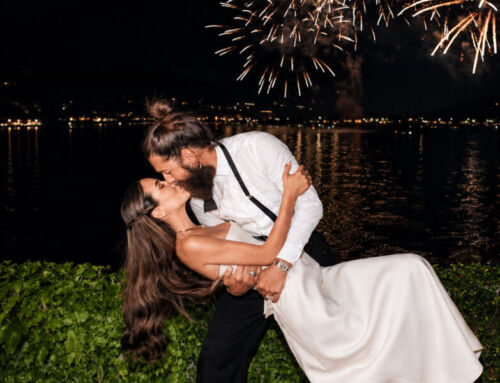
In the world of bridal fashion, the Little White Dress (LWD) has gained new significance. While conventional white wedding dresses remain a favorite among brides, the LWD has developed as a popular option for a variety of wedding-related occasions.
The LWD in Wedding Ceremonies
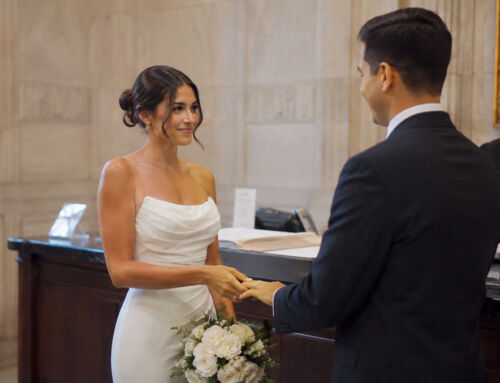
Some brides are now choosing to wear a Little White Dress as their main wedding dress, especially for more intimate or non-traditional weddings. The LWD is a modern and stylish alternative to the full-length gown, perfect for brides looking to make a statement without the formality of a traditional wedding gown. These shorter, more streamlined dresses are ideal for beach weddings, civil ceremonies, or any event with a more relaxed mood.
Receptions and After-Parties
One of the most significant trends in recent bridal fashion is the growing popularity of the LWD for wedding receptions and after-parties. Many brides choose to change out of their elaborate wedding gowns after the ceremony and into a more comfortable and practical LWD.
Featured Little White Dresses
Mac Duggal
The Mac Duggal 11438 tea-length dress strikes the ideal blend between classic grace and current flair. This dress is made of luxury jersey fabric, which creates a smooth, figure-hugging silhouette.
One of the most notable aspects of the Mac Duggal 11438 is its exquisite decorations. The illusion neckline is embellished with pearl and rhinestone accents, bringing sparkle and elegance to the dress. This delicate detailing extends to the partially sheer back, which is alluring. The sheer back panel offers a subtle hint of skin, creating a beautiful contrast with the more modest front.

Feathered cap sleeves offer a unique touch to this formal midi dress, giving it a whimsical yet classy look. These feathers not only improve the dress’s aesthetics, but they also add a gentle, romantic touch that is ideal for a wedding or formal event.
Ava Presley
The Ava Presley 28258 Little White Dress is perfect for making a dramatic statement. This fitting short party dress features patterned sequin mesh, which gives a sparkling touch to the entire look. The sequins reflect light superbly, ensuring that the wearer stands out in any crowd.
The dress has a plunging neckline, which gives a seductive edge while remaining gorgeous. The sheer plunging sides compliment the neckline, revealing skin in a bold yet classy style. The exposed V-back adds to the dress’s attractiveness, making it an excellent choice for individuals looking to make a spectacular debut.

What distinguishes the Ava Presley 28258 is the ostrich feather. These feathers add a playful and luxurious touch, transforming the dress from simple to spectacular. The movement of the feathers creates a dynamic effect, making this dress a perfect choice for events where dancing and celebration are in full swing. The sleeveless design also adds to the dress’s party-ready vibe, making it a fantastic option for homecoming, cocktail parties, and weddings.