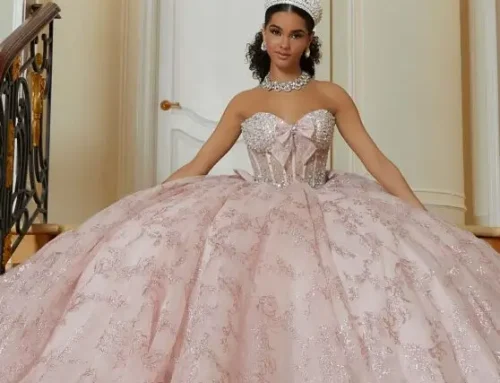
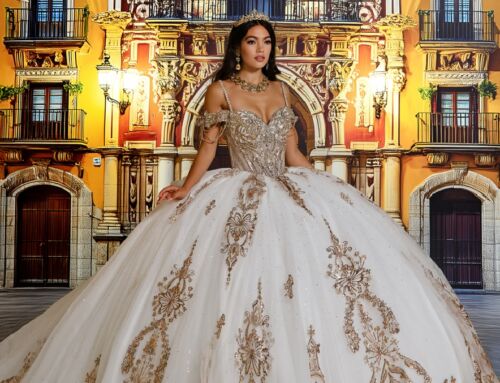
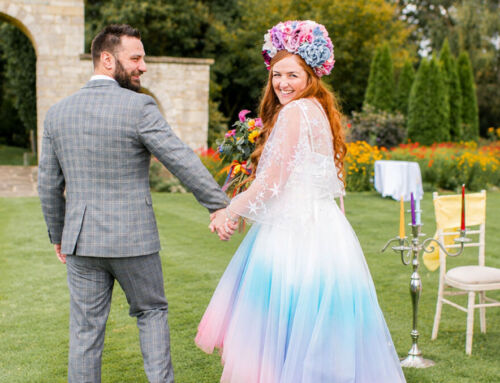
Islam’s core value of modesty serves as a guide for Muslims daily decisions about everything, including what to wear especially for weddings. In the larger context of modesty, Islamic wedding dresses are especially significant because they represent cultural history and uphold the strongly held beliefs and aesthetics of the Muslim world.
Emphasis on Women’s Modesty in Islam
The concept of modesty is embodied through various forms of clothing, such as the hijab, niqab, and burqa, which are synonymous with Islamic values. Islamic wedding dresses, by their very nature, encapsulate this virtue, ensuring that brides radiate both beauty and modesty on their special day.

Contemporary Muslim Wedding Dresses
In an increasingly globalized world, the concept of Muslim wedding attire has witnessed significant evolution. While adherence to the principles of modesty remains paramount, Muslim brides in Western countries have adapted their choices to reflect a balance between tradition and contemporary style. This adaptation has given rise to a growing market for covered wedding dresses, reaffirming the enduring relevance of Islamic wedding dresses in modern times.

They aim to respect their Islamic values while also reflecting their personal style and the cultural milieu in which they reside. The result is a fusion of tradition and modernity, where traditional Islamic wedding dresses are reimagined to meet the demands of contemporary fashion. Brides often opt for gowns with long sleeves, high necklines, and full-length skirts that not only meet Islamic guidelines but also exude elegance.
A significant trend in the realm of Muslim wedding attire is the increasing popularity of covered wedding dresses. These dresses, designed with meticulous attention to detail, allow brides to honor their faith and cultural heritage while embracing the beauty of their special day. Covered wedding dresses often feature delicate embroidery, intricate beadwork, and a variety of fabrics, offering a wide array of choices that cater to diverse tastes.
The Importance of Islamic Wedding Dresses
Islamic wedding dresses serve as much more than just clothing. They are the custodians of cultural and religious traditions, acting as a bridge between the past and the present. As the demand for covered wedding dresses continues to grow, it is essential to emphasize their role in preserving the core values and aesthetics of the Muslim world. These dresses are not only a source of pride but also a means of upholding the sanctity of Islamic weddings.
In today’s multicultural society, recognizing and respecting Islamic wedding dresses is an essential step towards embracing diversity and fostering inclusion. The availability of covered wedding dresses not only allows Muslim brides to remain true to their faith but also opens the door for non-Muslim brides who appreciate the beauty of modesty.

Muslim and Orthodox Jewish Wedding Traditions and Dresses
Muslim and Orthodox Jewish wedding traditions share a common thread of modesty, reverence, and the celebration of love. In both cultures, the choice of covered wedding dresses is not just a matter of fashion but a reflection of deeply held values.
The significance of modest wedding attire in both Muslim and Orthodox Jewish traditions is a testament to the enduring values of modesty, reverence, and cultural identity.
Modesty as a Shared Value
Modesty is a shared value in both Muslim and Orthodox Jewish communities. It is not merely a matter of personal preference but a deep-seated cultural and religious principle. The covered wedding dresses chosen by brides in both traditions exemplify this commitment to modesty, demonstrating that these unions are celebrated with humility and respect for cultural values.
Cultural and Regional Influences
The celebration of love, faith, and the commitment to modesty in wedding dresses is not limited to Muslim weddings; Orthodox Jewish weddings also place a strong emphasis on these values, and this shared commitment extends to the choice of covered wedding dresses.
Modest Wedding Attire in Orthodox Jewish Weddings
Orthodox Jewish brides, much like their Muslim counterparts, adhere to the principles of modesty on their wedding day. This emphasis on modesty is reflected in their choice of wedding attire. Brides often opt for elegant and modest gowns that cover their arms and legs, and many choose to wear veils or head coverings. The beauty of these dresses lies in their ability to radiate grace and humility while adhering to the cultural and religious values of modesty.
A Language of Respect
The emphasis on modesty in both traditions transcends language and culture. It speaks a universal language of respect for the sanctity of the occasion and the commitment to values that go beyond the individual to encompass the entire community.
Local Customs within a Universal Message
While the emphasis on modest wedding attire unites both traditions, there are, of course, local customs and regional variations within Orthodox Jewish weddings. These differences are a testament to the rich tapestry of Jewish culture, with customs varying among Ashkenazi, Sephardi, and other Jewish communities. Despite these variations, the underlying commitment to modesty and reverence remains a constant thread.
The beauty of covered wedding dresses in both Muslim and Orthodox Jewish traditions transcends cultural boundaries. They are a reflection of the shared values of modesty and humility, symbolizing the commitment to love and faith. In a world filled with diverse cultural and regional influences, these dresses serve as a unifying element, reminding us of the enduring power of love and the universal language of reverence and devotion.
Cultural Exchange and Adaptation
Islamic wedding dresses are not static relics of the past; they are dynamic expressions of a living culture. As the Muslim diaspora spreads its roots across the globe, these dresses gracefully adapt to new environments while steadfastly adhering to their core principles. This adaptability is a testament to the resilience and versatility of Islamic culture, a culture that thrives on tradition while embracing change.

In Western countries, where diverse cultures intersect, many Muslim brides have found creative ways to fuse traditional Islamic wedding dresses with contemporary styles. This fusion represents the essence of cultural exchange, where the garments of the past are reimagined to suit the demands of the present. Brides often infuse Western design elements into their attire, incorporating modern silhouettes, lace, and other fashionable details while ensuring that modesty remains at the forefront.
Muslim Weddings
A Muslim wedding, also known as a “Nikah” in Islamic tradition, is a joyous and sacred event that marks the union of two individuals in matrimony. These weddings are deeply rooted in Islamic customs and principles and are celebrated with enthusiasm, cultural diversity, and religious fervor.
The Role of Family and Community:
One of the most striking features of Muslim weddings is the strong emphasis on family and community involvement. The support and blessings of loved ones play a central role in the entire journey. It is customary for families to play an active role in finding suitable matches, and the concept of “arranged marriages” is prevalent in many Muslim cultures.
These arrangements are made with the best interests of the individuals and their compatibility in mind. The families often play a significant role in the wedding planning, from selecting the venue to organizing various pre-wedding events and post-wedding celebrations.
The Wedding Feast Walima:
In Islam, sharing a meal is an act of unity and celebration. The wedding feast, known as the “Walima,” is a significant part of a Muslim wedding. After the Nikah ceremony, families and friends come together to enjoy a lavish spread of traditional dishes. This feast symbolizes the joy and unity of the occasion, where everyone is invited to share in the happiness of the newlyweds. The Walima is an expression of the couple’s gratitude for the love and support they receive from their community.
Islamic Dress Code:
The choice of attire for a Muslim wedding is influenced by religious guidelines. Both the bride and groom, as well as the wedding guests, are expected to dress modestly. The bride typically covers her head with a veil, and her dress is often modest in design.
The groom may wear a traditional outfit like a sherwani, reflecting the cultural diversity within the Muslim world. While there may be cultural variations in dress, the overarching principle is to adhere to the Islamic dress code, which emphasizes modesty and humility.
Post-Wedding Customs:
While the Nikah ceremony is the central event, there may be additional customs and traditions that follow the wedding. These can vary based on cultural and regional influences. For example, in some regions, it is customary for the groom’s family to host a separate celebration known as the “Ruksati,” where the bride officially leaves her parents’ home and begins her new life with her husband. This event is often filled with emotional farewells and blessings.
In conclusion, a Muslim wedding is a deeply significant and joyous occasion, weaving religious devotion, cultural traditions, and community celebration. Within this tapestry, Muslim wedding dresses symbolize modesty and cultural diversity.
Ultimately, a Muslim wedding is a celebration of love, faith, and unity, with the choice of these dresses reflecting the couple’s commitment to their values. As they begin their journey, the support of their community, adherence to Islamic principles, and the celebration of their unique culture ensure a harmonious and blessed union.